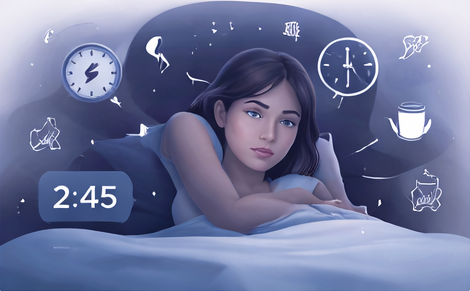
Insomnia often starts quietly. You go to bed tired, but sleep doesn’t come. Or you wake up at 3 a.m. and can’t fall back asleep. After a few nights, fatigue builds – and so does worry about sleep itself. Many people begin searching for answers at this stage, wondering whether this is temporary or something more persistent. This guide to insomnia explains what it really is, why it happens, and what you can realistically do about it. The goal is not quick fixes, but clear, medically careful guidance that helps you understand your options and next steps.
What Insomnia Actually Means
Insomnia is more than just a bad night’s sleep. It generally refers to persistent difficulty with one or more of the following:
- Falling asleep
- Staying asleep
- Waking too early
- Feeling unrefreshed despite enough time in bed
For insomnia to be clinically meaningful, it usually also affects daytime functioning – concentration, mood, energy, or productivity.
The NHS overview of insomnia notes that insomnia often involves both nighttime sleep problems and daytime symptoms such as fatigue, irritability, or difficulty focusing.
Not everyone with occasional sleep trouble has insomnia. Short-term disruptions are common during stress, illness, travel, or schedule changes.
Types of Insomnia
Understanding the pattern can help clarify what’s happening.
Short-Term (Acute) Insomnia
- Lasts days to weeks
- Often triggered by stress, life events, or schedule changes
- Usually improves once the trigger resolves
Chronic Insomnia
- Occurs at least several times per week
- Persists for weeks or months
- Often involves behavioral and psychological factors
Chronic insomnia frequently becomes self-reinforcing: poor sleep leads to anxiety about sleep, which makes sleep harder.
Common Causes of Insomnia
Insomnia rarely has just one cause. It often develops from a combination of factors.
Stress and Mental Overactivity
Racing thoughts are one of the most common triggers. Work pressure, relationship concerns, or general anxiety can keep the brain alert at bedtime.
Irregular Sleep Schedule
Sleeping in on weekends, shift work, or inconsistent bedtimes can disrupt the circadian rhythm.
Sleep Anxiety
After several bad nights, many people start worrying about sleep itself. This increases physiological arousal.
Lifestyle Factors
- Late caffeine
- Alcohol before bed
- Screen use in bed
- Napping during the day
- Low daytime activity
Medical and Psychological Contributors
Insomnia can also be associated with:
- Anxiety disorders
- Depression
- Chronic pain
- Hormonal changes
- Certain medications
The American Academy of Sleep Medicine guidance on insomnia treatment emphasizes that behavioral and psychological factors often play a central role, even when insomnia begins with another trigger.
Less Obvious Factors That Can Worsen Insomnia
Some contributors are easy to overlook:
- Going to bed too early “to catch up”
- Staying in bed awake for long periods
- Checking the clock repeatedly
- Using the bed for work or scrolling
- Trying multiple sleep remedies at once
These behaviors unintentionally train the brain to associate the bed with wakefulness.
How Insomnia Affects the Body and Mind
Sleep disruption doesn’t just cause fatigue. People with insomnia often notice:
- Brain fog or slowed thinking
- Irritability or mood swings
- Increased stress sensitivity
- Headaches or muscle tension
- Reduced motivation
Interestingly, many individuals with insomnia still sleep some hours – but the sleep may feel fragmented or light.
What Helps: Evidence-Based Approaches
1. Cognitive Behavioral Therapy for Insomnia (CBT-I)
CBT-I is widely considered the first-line treatment for chronic insomnia. It focuses on:
- Restructuring sleep habits
- Reducing sleep anxiety
- Adjusting time in bed
- Strengthening circadian rhythm
The Cleveland Clinic explanation of CBT-I highlights that this approach targets the underlying patterns maintaining insomnia, rather than just symptoms.
CBT-I can be delivered in person, digitally, or through guided programs.
2. Consistent Wake Time
Waking at the same time daily – even after a poor night – helps reset sleep pressure. This is often more important than a strict bedtime.
3. Reducing Time in Bed Awake
If you can’t sleep after about 20 minutes:
- Get up
- Keep lights dim
- Do something calm
- Return when sleepy
This strengthens the bed-sleep connection.
4. Managing Pre-Sleep Arousal
Helpful techniques include:
- Slow breathing
- Writing worries down
- Listening to neutral audio
- Gentle stretching
These approaches help shift the nervous system toward rest.
What to Try Tonight (Quick Action Plan)
If insomnia is affecting you right now, start with these practical steps:
- Choose a consistent wake-up time tomorrow
- Avoid naps today if possible
- Dim lights 1 hour before bed
- Stop checking the clock
- Leave the bed briefly if wide awake
- Keep your room cool and quiet
Small adjustments often reduce pressure and improve sleep over several nights.
When Insomnia May Need Professional Help
Consider seeking medical advice if:
- Insomnia lasts more than a few weeks
- You rely on alcohol or medication to sleep
- Daytime functioning is significantly affected
- Anxiety about sleep keeps increasing
- Loud snoring or breathing pauses occur
A clinician may evaluate sleep habits, mental health factors, medications, and possible sleep disorders.
Are Sleep Medications Necessary?
Sleep medications can help in certain situations, but they are usually not first-line for long-term insomnia.
Points to keep in mind:
- Some medications may cause next-day drowsiness
- Tolerance can develop
- They don’t address underlying sleep patterns
- They should be used under medical guidance
Behavioral approaches like CBT-I often provide more sustainable improvement.
Common Misconceptions About Insomnia
“I need 8 hours every night.”
Sleep needs vary. Some people function well with slightly less.
“Staying in bed longer helps.”
This often worsens insomnia by reducing sleep pressure.
“If I don’t sleep, I’ll be unable to function.”
Performance may dip, but most people cope better than expected. Reducing fear of poor sleep can help.
The Bottom Line
Insomnia is common, frustrating, and often self-reinforcing – but it’s also treatable. Understanding the mechanisms behind it can reduce anxiety and guide practical changes. Consistent routines, reduced sleep pressure, and behavioral strategies usually form the foundation of improvement.
If insomnia persists, structured approaches like CBT-I and professional guidance can make a meaningful difference.
FAQ
What is the most common cause of insomnia?
Stress and anxiety are among the most common triggers, often combined with irregular sleep habits.
How long does insomnia usually last?
Short-term insomnia may resolve within days or weeks. Chronic insomnia can persist longer without targeted changes.
Is insomnia dangerous?
Occasional insomnia is not dangerous, but persistent sleep loss can affect mood, cognition, and overall well-being.
Can naps make insomnia worse?
Yes. Daytime naps reduce sleep pressure and can make it harder to fall asleep at night.
Should I go to bed earlier if I can’t sleep?
Not necessarily. Going to bed too early often increases time spent awake.